

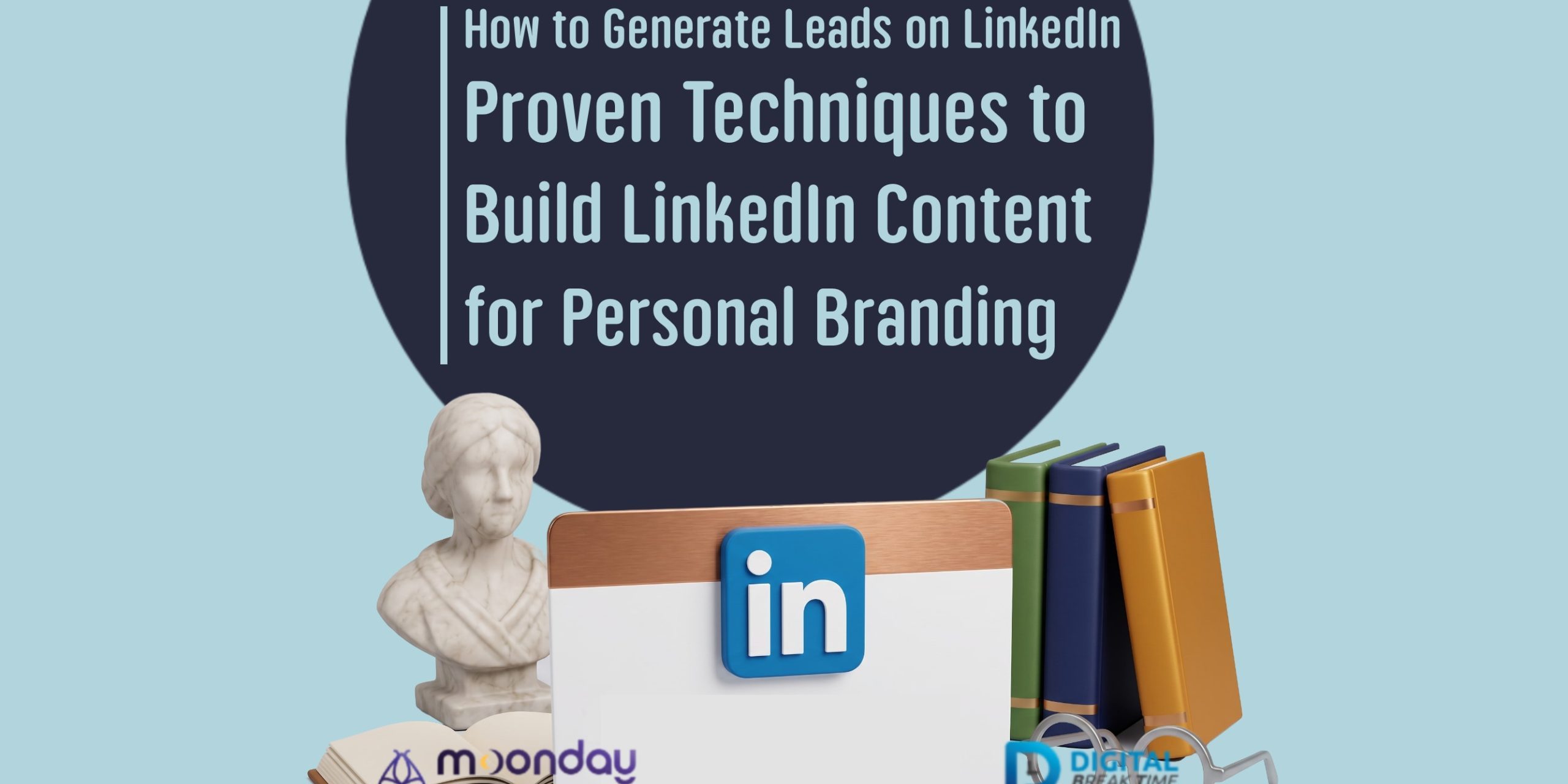
Build LinkedIn Content for Personal Branding. Today, LinkedIn has changed significantly. While we used to view it merely as a job-hunting platform, many people are now using this space to share knowledge, discuss work experiences, build a professional identity, and even find new clients without running ads.
Personally, I receive an increasing number of messages from clients through LinkedIn. Most of these don’t come from direct selling, but rather from sharing what I am truly an expert in.
So, I want to share my personal experience: if you want to start and build LinkedIn content, what should you post? Which formats actually work? And how can you turn your readers into paying clients?
Proven Techniques to Build LinkedIn Content for Personal Branding
- Who is LinkedIn For?
- Why Does LinkedIn Content Help You Get Clients?
- What Should You Plan Before You Build LinkedIn Content?
- What Types of Content Work Best on LinkedIn?
- LinkedIn Posting Techniques to Stop the Scroll
- Common Mistakes People Make on LinkedIn
- How Often Should You Post on LinkedIn?
- Conclusion: LinkedIn is Not Just for Job Hunting, It’s a Long-Term Lead Generation Channel
Who is LinkedIn For?
Even though anyone can use LinkedIn, from a content creation and business opportunity perspective, this platform is highly effective for those who sell knowledge, services, or credibility.
For example:
- Freelancers
- Consultants
- B2B Business Owners
- Content Creators
- Digital Marketers
- HR Professionals / Recruiters
- Niche Specialists
The reason is simple: the majority of active LinkedIn users—especially in a vibrant business hub like Thailand—are professionals, executives, business owners, or individuals looking for new opportunities.
Therefore, if your target audience falls into these categories, LinkedIn is an incredible channel. It allows your potential clients to get to know you and your work ethic before a formal business meeting even takes place.
Why Does LinkedIn Content Help You Get Clients?
Most people log into LinkedIn to learn, follow industry leaders, build their network, and get updates on business trends. This means that useful content and real-world experiences have a high chance of being read and shared.
The Benefits of Posting on LinkedIn
- Builds Personal Branding: Let people know exactly what you excel at.
- Increases Credibility: Establish trust long before a client contacts you.
- Creates Familiarity: Helps clients get to know your personality and working style through your posts.
- Opens Doors: Increases your chances of landing new jobs or projects.
- Expands Connections: Connects you with like-minded professionals in your industry.
- Longer Content Lifespan: Unlike other platforms, a good LinkedIn post can still be seen and engaged with several days after you post it.
Another thing I’ve noticed is that clients often do not contact you immediately after seeing a single post. Instead, they follow you over time, read multiple posts, and understand your thought process. When the day comes that they have a project or need to hire an agency, you are the first person that comes to their mind. This is exactly how you effectively generate leads on LinkedIn.
What Should You Plan Before You Build LinkedIn Content?
Many people start posting with great intentions, but after a few posts, they run out of ideas or lose their direction. A major reason for this is a lack of clear goals. Therefore, before you start creating content, try planning these three things first:
1. Know What You Want to Be Remembered For
When someone mentions your name, what topic do you want them to think of? For example:
- SEO
- AI Technology
- Marketing
- Branding
- UX Design
- Finance
You don’t need to be a genius at everything, but you should have a core topic that people associate with you. When you consistently create content around a specific theme, people will start to remember: “If I need help with this topic, I need to talk to this person.”
2. Define Your Target Audience
Another crucial step is to avoid writing for “everyone.” Be clear about who you are communicating with. Are they:
- Business Owners
- Marketers
- HR Professionals
- Executives
- Freelancers
Each group has different pain points and interests. The better you understand your readers, the easier it becomes to brainstorm topics and write engaging copy.
3. Set Your Content Pillars
Instead of struggling to think of a new topic every single day, try categorizing your main content into “pillars.” For example:
- Industry Knowledge
- Personal Experiences
- Case Studies
- Personal Opinions
- Useful Tools
Having a structure like this allows you to continuously branch out into sub-topics and makes your content planning much more systematic.
What Types of Content Work Best on LinkedIn?
Work Experiences
Content that always garners attention comes from real-world experience. Sharing things you’ve learned on the job, mistakes you’ve made, or advice you wish you had when you started makes readers feel like they are getting genuine insights rather than just reading generic data.
Case Studies
Analyzing campaigns, reviewing past projects, or summarizing what you learned from a recent job are perfect fits for LinkedIn. It allows people to see both your strategic thinking and your execution process.
How-To Guides
Educational content remains highly popular. For example:
- How to do SEO
- How to use AI to work faster
- How to write Content Marketing
The more step-by-step and actionable your explanation is, the more people can apply it—and the more they will remember you.
Sharing Your Perspective (Opinions)
Another content type that drives great engagement is sharing your thoughts on industry news, trends, or current events. However, the key is to provide your own reasoning and unique angle, not just share a news link.
Behind the Scenes
Often, people don’t just want to see the final polished result; they want to know how it was made. You can share your workflow, your thought process, or your daily routine. This humanizes you and builds deeper trust.
LinkedIn Posting Techniques to Stop the Scroll
The Hook is Everything
Try starting your post with a sentence that makes people want to read more. For example:
- “I used to think that…”
- “A client recently asked me…”
- “My biggest regret in business is…”
A good hook doesn’t need to be clickbait, but it should make the reader feel like the story is relevant to them.
Write for Readability
Content on LinkedIn doesn’t need to use overly formal, academic language. What you should do is:
- Use short paragraphs.
- Leave plenty of white space (line breaks) to rest the eyes.
- Use a natural, conversational tone.
- Tell a story with a logical flow.
Often, a simple, easy-to-read post has a much higher chance of being read to the end than a giant wall of text.
End with a Question
Another technique to boost engagement is to invite conversation. End your post with something like, “Have you ever experienced this?” or “Which method would you choose?” These small questions encourage people to leave comments.
Common Mistakes People Make on LinkedIn
If you notice posts that receive very little attention, they usually share similar traits:
- Only posting sales pitches.
- Writing posts that sound like corporate press releases.
- Lacking personal opinions or experiences.
- Posting inconsistently.
- Obsessing too much over the number of “Likes.”
The truth is, the posts that help you generate leads on LinkedIn are not necessarily the ones with the most likes. They are the posts that make the reader think, “This person really knows what they are doing.” When that trust is established, the likelihood of a client reaching out naturally increases.
How Often Should You Post on LinkedIn?
If you are just starting out, aim for about 2-3 times a week. But what you should do alongside posting is:
- Reply to every comment on your posts.
- Leave meaningful comments on other people’s posts.
- Actively build your network while sharing content.
LinkedIn is not just a broadcasting platform; it is a space to build relationships with peers in your industry.
Conclusion: LinkedIn is Not Just for Job Hunting, It’s a Long-Term Lead Generation Channel
From a marketing perspective, LinkedIn is the ideal space for building authority rather than pushing hard sales. The more you consistently share valuable knowledge, experiences, and perspectives, the more people will remember you as the go-to expert in your field.
Follow Digital Break Time
Facebook, X, Line Official Account, Instagram, Spotify, YouTube, Apple Podcast
Originally in Thai. Translated to English with the help of Gemini.